
Wrecks.Reefs.FADs.
Bahamas Reef Works clears the derelict steel hulls out of Nassau harbour and sinks them as dive sites, casts Reef Ball modules in Nassau, and moors a year-round line of fish-aggregating devices (FADs) from the Tongue of the Ocean to Exuma Sound.
Prepared at the invitation of the Hon. Jomo Campbell, Minister of Agriculture and Marine Resources, in support of the Government of The Bahamas and its work towards a stronger, cleaner and more sustainable fishery and marine environment.
Bahamas Reef Works puts structure back in Bahamian water.
We take the derelict vessels sinking at our docks and turn them into reefs. We cast reef modules in Nassau and set them where fish and divers can reach them. We moor the FADs that let small boats fish offshore all year.
Every job is built by Bahamian crews, surveyed by Bahamian divers, and handed to the people who fish and dive it. The point is simple: cleaner harbours, more fish, and less pressure on the reefs we already have.
Three problems in the water. One crew, one year.
Nassau harbour holds steel hulls nobody owns that are going down where they lie. The shelf outside is flat sand with nowhere for a fish to hide. And the one buoy that ever held pelagic fish offshore was somebody else's. The same barge, divers and yard fix all three, and every one of them takes pressure off the natural reef: new structure to fish and dive means fewer boats on the live coral near town.
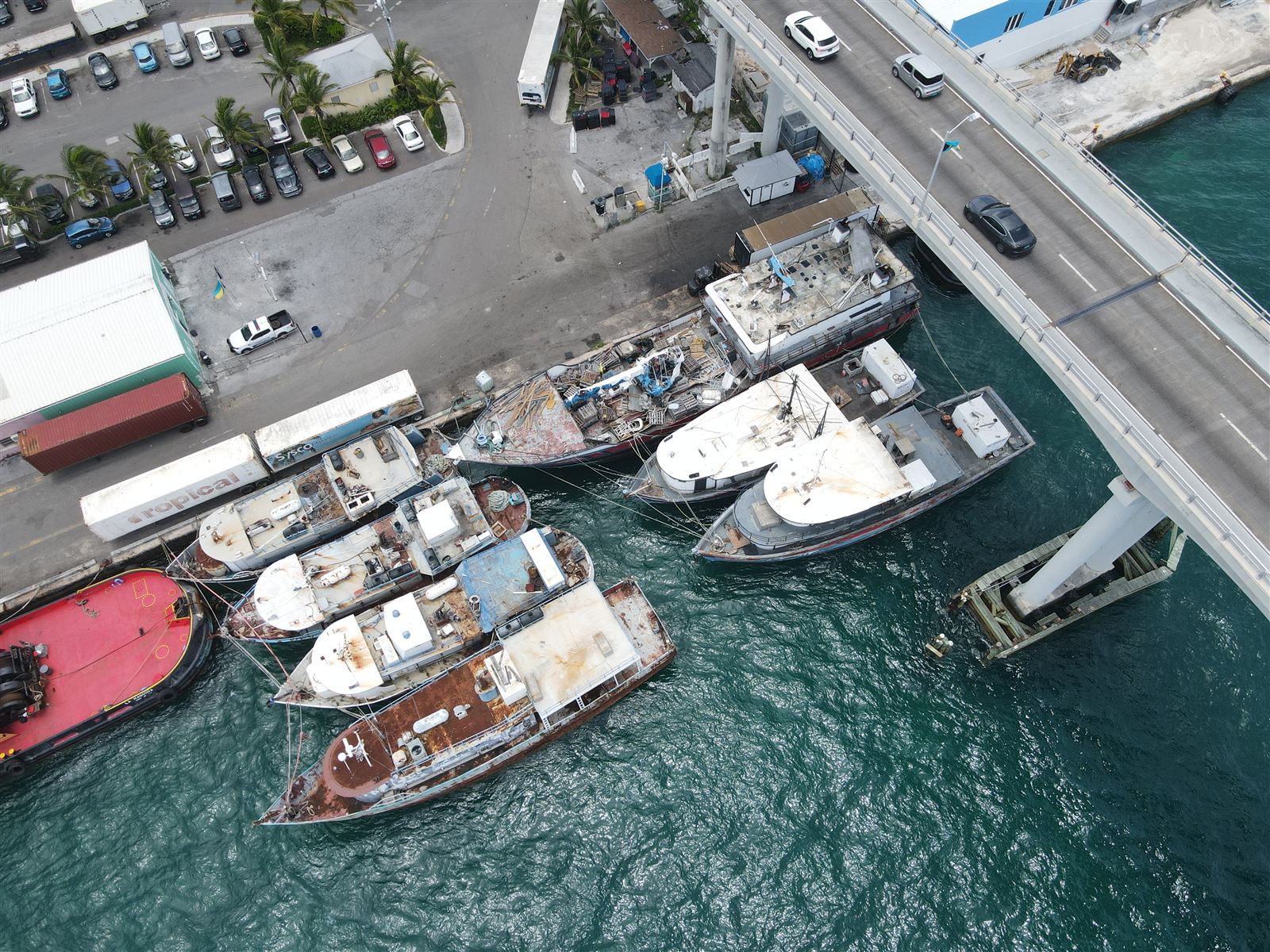
Wrecks
Derelict steel hulls taken out of the harbour while they still float, stripped and cleaned to the US EPA standard, and sunk upright as dive sites. No explosives.
How it is done → Concept render
Reefs
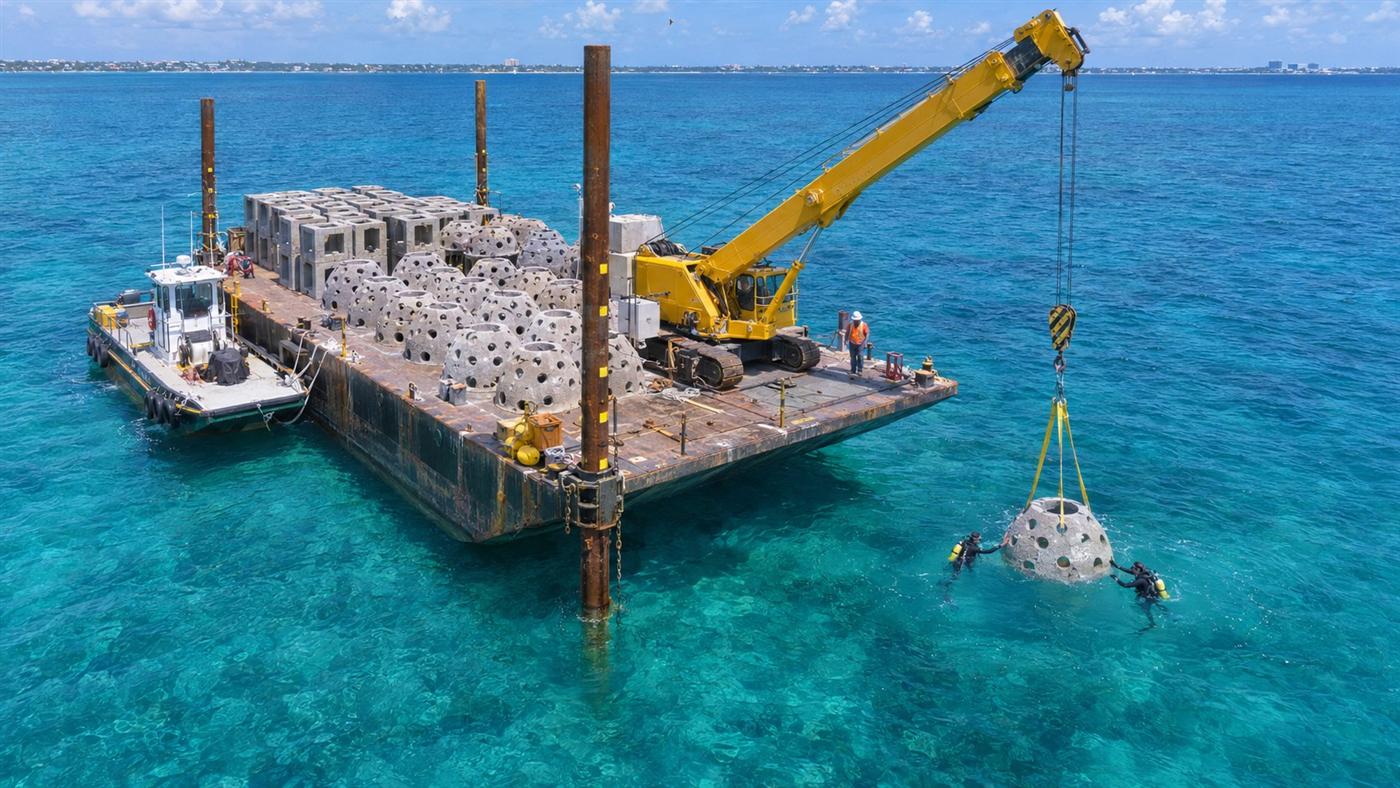
Two hundred genuine Reef Ball modules cast in our own Nassau yard and placed by our own crane barge on two surveyed sites.
The modules, the yard, the sites → Concept render
FADs
Six moored FADs on 1,000 m moorings, left in all year, inspected monthly, with the rules agreed with the fishers first.
Design, positions, rules →Pressure off the real reefs
Every wreck, module field and buoy is somewhere to fish and dive that is not the natural reef. Effort moves to new structure and to pelagic fish offshore, and the live coral near town gets a rest. That is the point of all three programmes.
Nurseries, not just sites
Hollow structure on bare sand is where juvenile grouper, snapper and lobster survive. More of them reach the natural reef as adults.
A harbour that is cleaner
Every derelict hull taken out while it floats is one less sinking at the quay with fuel aboard, and one less salvage bill.
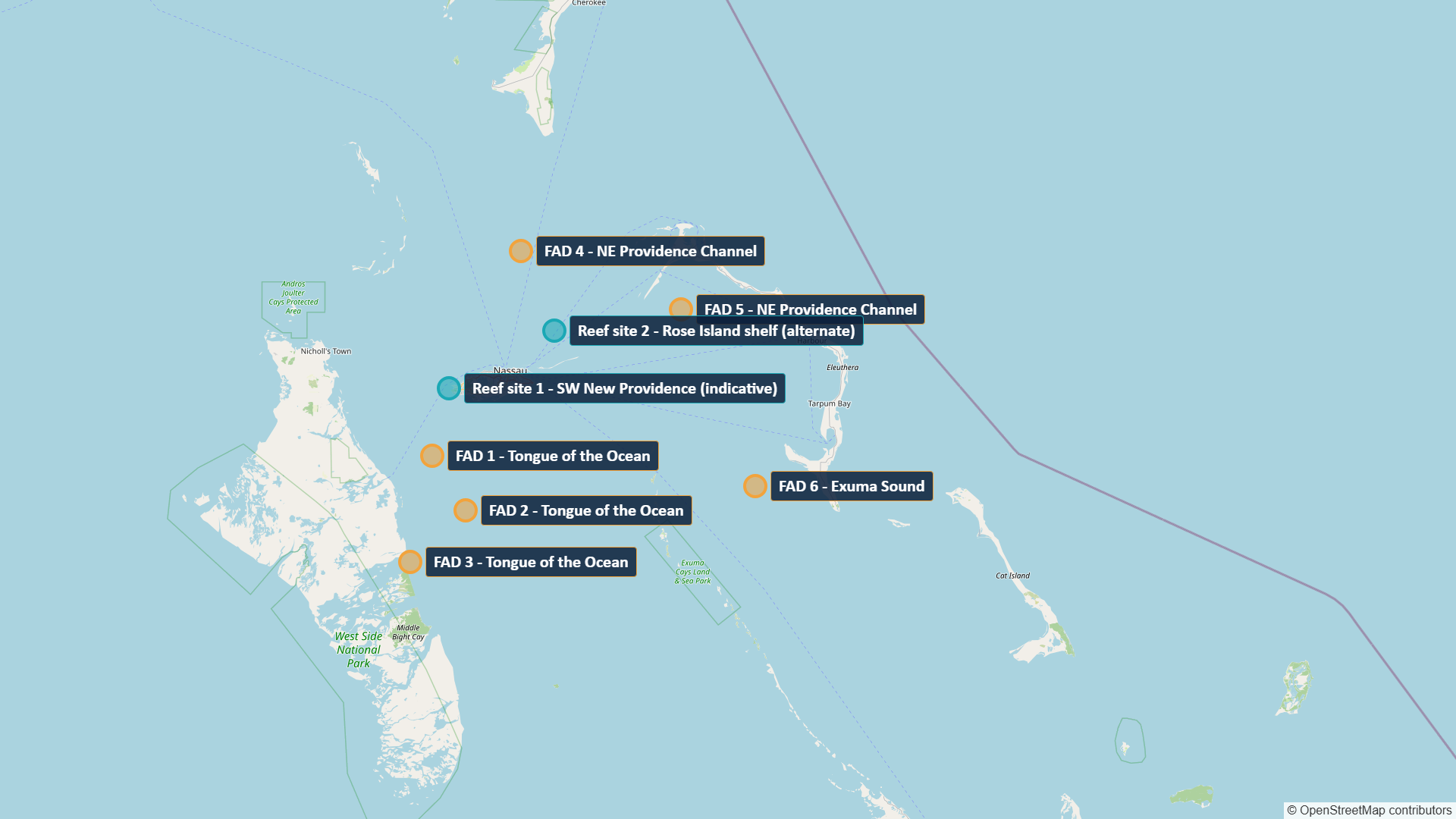
Within an hour of Nassau harbour.
Reef sites sit on sand in ten to twenty metres on the New Providence shelf. The FADs sit over the deep edges where the bottom falls away to a thousand metres: three in the Tongue of the Ocean, two in the North-East Providence Channel, one in Exuma Sound.
Every position is confirmed by survey, agreed with the Department of Marine Resources and the fishing co-ops, and published.
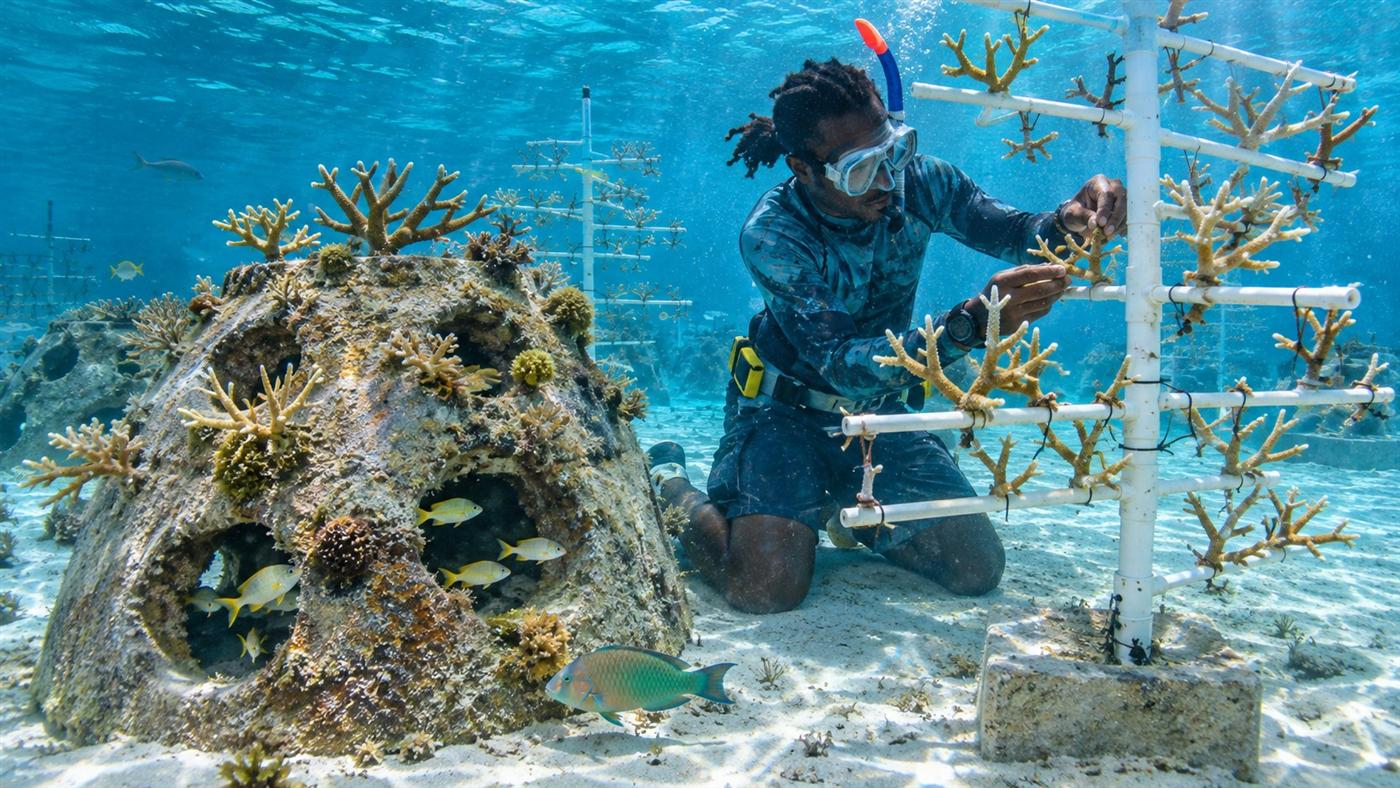
The reef is the point. The rest pays for it.
Once there is structure on the sand, restoration has somewhere to go. Staghorn grows on tree frames and goes onto the modules. Slow-growing brain and star corals are cut into microfragments that grow many times faster and fuse back into one colony. In ten years the modules disappear under it and Nassau has dive sites that pay their own way.
Built by a crew that already works on the water.
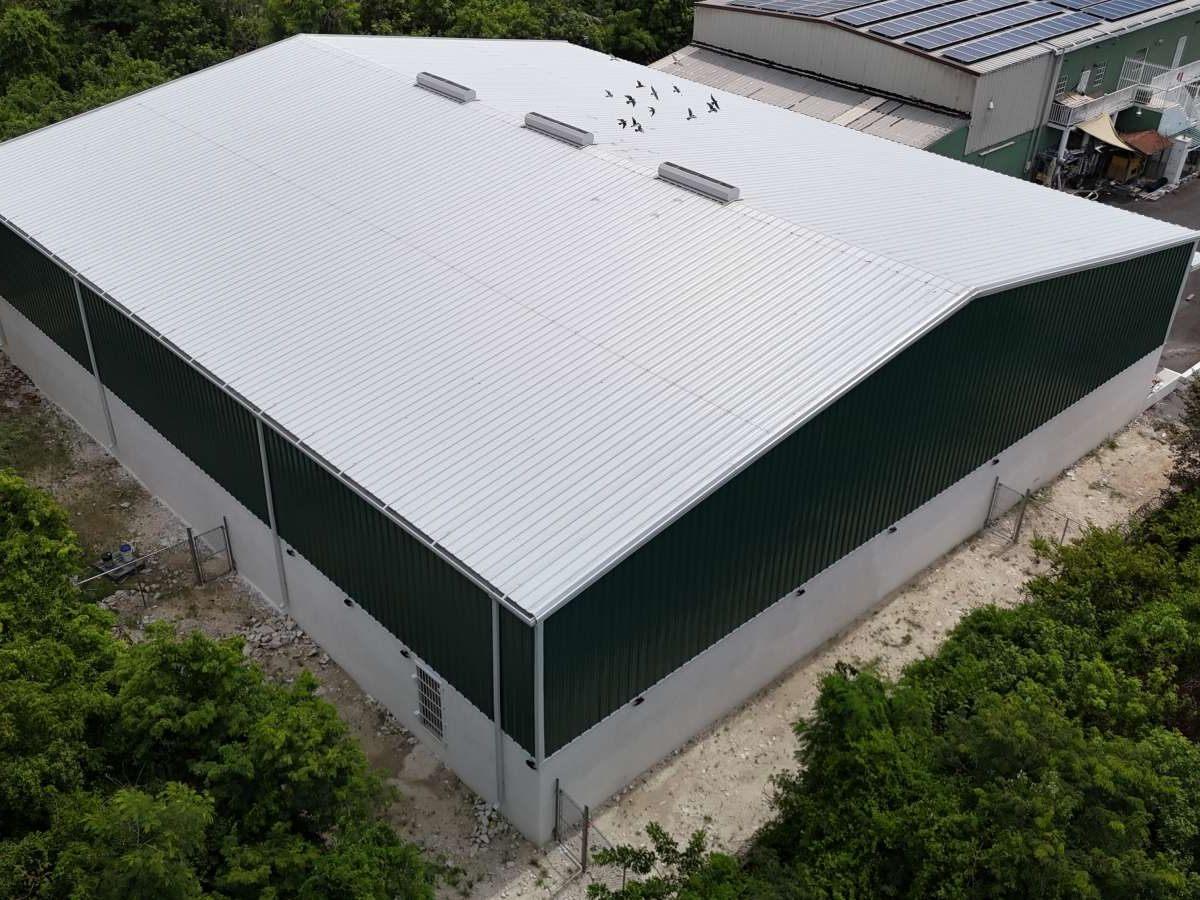
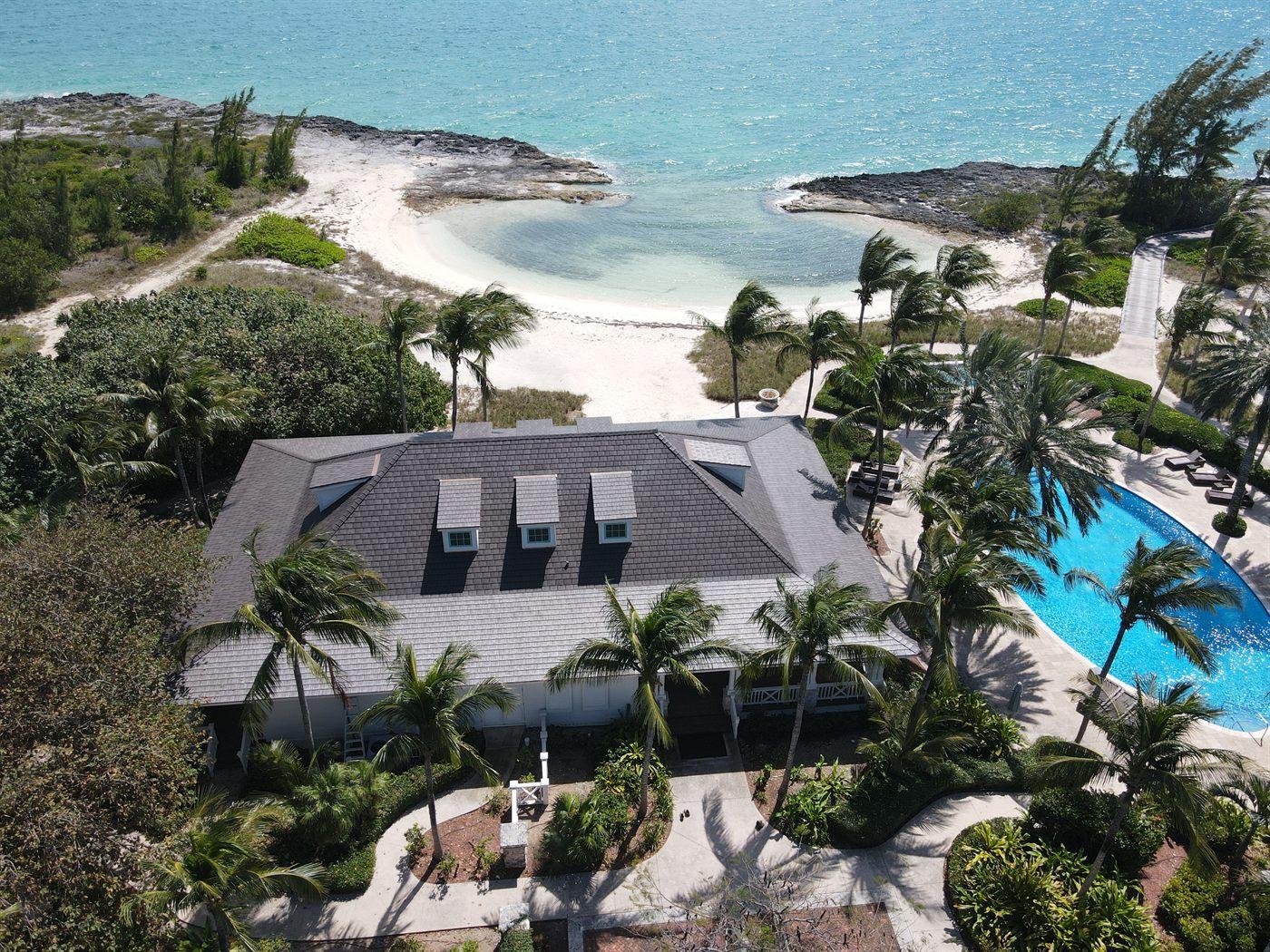
Bahamas Reef Works is a programme of Hammerhead Construction Co. Ltd., Nassau. Hammerhead builds docks, roofs, steel and whole buildings, runs its own certified dive team, and has its own crane barge and casting yard.
Talk to the crew.
Government, fishing co-ops, dive operators, resorts with a reef to build or a hull to lose. Tell us what you have and we will tell you what it takes.